News
The Story Behind the name BRM: Shifting Power to the Buyer


In the world of enterprise software, acronyms often carry deep meaning. They're not just shortcuts—they're statements of intent. When people ask what BRM stands for, they're actually touching on a fundamental shift in how modern businesses operate and transact with each other.
Beyond the Traditional CRM Model
The traditional CRM (Client Relationship Management) model shaped an entire industry. It wasn't just a technology choice—it was a philosophy that codified a world where sellers served their clients. This model made sense in an era where sellers held most of the cards and buying enterprise solutions meant navigating complex sales processes.
But the world has changed.
The Rise of the Buyer
Today, we're witnessing an explosion of readily accessible software and services. This democratization of technology means everyone's a buyer now. The power dynamics have shifted, and with them, the need for new tools and frameworks that reflect this reality.
This is where BRM—Buyer Relationship Management—comes in.
Why "Buyer" and Not "Vendor"?
Some might wonder: if CRM stands for Customer Relationship Management, shouldn't the counterpart be VRM (Vendor Relationship Management)? The answer lies in understanding power dynamics in modern business relationships.
Just as the 'C' in CRM represents who holds power in the traditional model, the 'B' in BRM signifies a deliberate shift in focus. We're acknowledging and empowering buyers, recognizing their central role in driving business relationships forward.
The Dual Meaning
What makes BRM particularly powerful is its dual meaning. While it primarily stands for Buyer Relationship Management, it also represents Business Relationship Management. This isn't just wordplay—it reflects our fundamental understanding that when you help people buy effectively, you inherently help people sell better.
This dual meaning comes to life as we enter a new era where manual data entry becomes obsolete, transaction processes can be standardized, and both buyers and sellers operate from a single source of truth. The transformation isn't just about efficiency—it's about creating a more balanced, transparent, and effective business ecosystem. When buyers are empowered with the right tools and information, everyone wins.
Looking Forward
The shift from CRM to BRM represents more than a change in terminology. It's a recognition that the future of enterprise commerce lies in creating systems that serve both sides of the transaction equally, with a particular focus on empowering the buying process.
This is what BRM stands for—not just as an acronym, but as a vision for the future of business relationships.
More articles
Keep reading on procurement and strategy
Best Practices
AI Token Spend 101: A Finance Leader's Guide to Usage-Based AI Costs
A finance-first guide to managing AI token spend: what tokens cost, why usage-based pricing is unpredictable, and a 6-step framework to baseline and forecast.
News
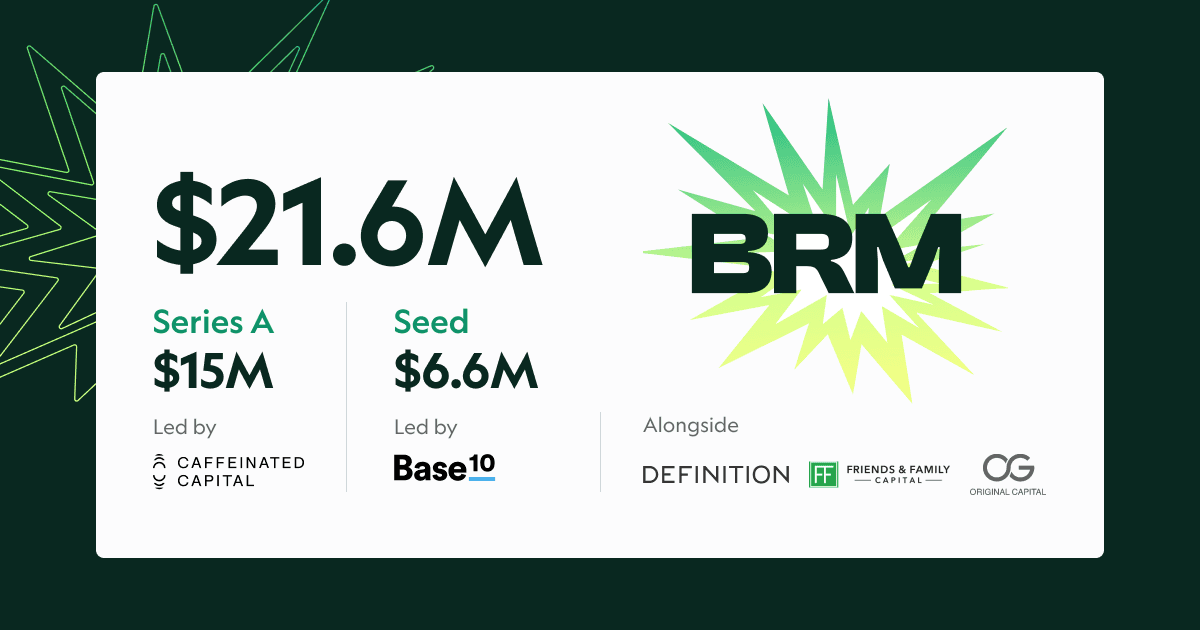
BRM Launches With $21.6M and AI SuperAgents to Help Companies Buy
Buying is broken, but BRM is here to fix it with $21.6M in funding and AI-powered SuperAgents that take on vendors for you, handling everything from contracts to compliance. While everyone else builds AI sales tools, BRM is tackling the painfully ignored buyer's side, already saving thousands of hours for companies like Tegus, Public, and Cadence.