Best Practices
Vendor Compliance 101: How to Stay Ahead of Risk

Your risk isn’t just internal. It’s everyone you work with.
Introduction: Compliance Doesn’t Stop at the Firewall
Let’s say your finance team is airtight. Your legal team locks down contracts. Your IT systems are SOC 2 certified and airtight.
But what about your vendors?
What if the HR platform you use outsources payroll to a subprocessor in a non-compliant country?
What if your CRM vendor suffered a data breach and didn’t tell you?
What if your e-signature tool just auto-renewed without a DPA update?
Welcome to the world of vendor compliance, the part of your risk surface most companies don’t see until something goes wrong.
In this guide, we’ll break down:
- What vendor compliance actually means
- The risks of ignoring it
- What regulators expect from you
- And how to build a lightweight, modern system that keeps your business audit-ready — without hiring a full procurement team
What Is Vendor Compliance?
Vendor compliance is the process of ensuring that your third-party vendors, and their subprocessors, meet the legal, regulatory, and operational standards your company is responsible for.
In plain terms: you’re on the hook for the vendors you use. If they mess up, it’s your problem too.
This includes:
- Data privacy compliance (e.g. GDPR, CCPA, HIPAA)
- Security standards (SOC 2, ISO 27001, etc.)
- Contractual obligations (SLAs, DPAs, liability terms)
- Geographic restrictions and cross-border data transfers
- Ethical sourcing, financial controls, and industry-specific regs
The bigger your vendor list, the more exposed you are.
Why Vendor Compliance Matters (Even for Smaller Teams)
You don’t need to be a Fortune 500 company to care about vendor compliance. In fact, the smaller your team, the more important it becomes — because a single vendor misstep can put you at serious risk.
1. You’re Legally Responsible for Your Vendors
Under regulations like GDPR, you are a data controller. Your vendors are processors. But when something goes wrong, like a data breach or mishandling of personal data, you are still responsible in the eyes of the law.
GDPR Article 28 makes it clear: you need to vet your vendors, have proper contracts in place, and maintain oversight of subprocessors.
2. Compliance Gaps Kill Deals
If you’re selling into mid-market or enterprise customers, expect to be hit with a security questionnaire. One of the first things they’ll ask is:
“Can you provide a list of all vendors and subprocessors, with current compliance status?”
If you can’t answer that quickly and clearly, it doesn’t just slow down the deal, it might kill it entirely.
3. Audits Are Inevitable
SOC 2, ISO, HIPAA, no matter your industry, someone will eventually ask how you manage vendor risk. If your answer is a shared Google Sheet and a vague “we ask Legal when we need to,” that won’t fly.
Vendor compliance isn’t just about staying safe. It’s about staying sellable, auditable, and credible.
The Risks of Getting It Wrong
Still thinking this sounds like a nice-to-have? Here’s what happens when vendor compliance slips:
- Data breaches: Your vendor gets hacked. Your customer data gets exposed. You’re the one writing apology emails.
- Regulatory fines: Non-compliance with GDPR or HIPAA can mean six- or seven-figure penalties.
- Reputation damage: Customers don’t care whose fault it was. They care that you didn’t prevent it.
- Contract breaches: SLAs, uptime guarantees, liability clauses – these are enforceable. If your vendor drops the ball, you may still owe damages.
- Churn: When customers lose trust in your security and compliance posture, they leave.
What a Compliant Vendor Management Process Looks Like
You don’t need a team of lawyers to stay ahead of risk, just a structured, repeatable process and the right tool. Here’s how smart teams are doing it.
Step 1: Centralize Your Vendor List
You can’t manage what you can’t see. Start by building a centralized view of every vendor your company uses, including SaaS platforms, consultants, cloud tools, contractors, and anyone with access to sensitive systems or data.
Make sure each vendor entry includes:
- Department owner
- Contract location
- Renewal and termination dates
- Security/compliance status
- Subprocessors (if applicable)
Don’t rely on memory or Slack threads. Put it in one place.
Step 2: Collect the Right Documentation
For each vendor, collect and store:
- Data Processing Agreement (DPA)
- Security certifications (SOC 2 Type II, ISO 27001, etc.)
- Subprocessor list
- Pen test or security audit summaries
- SLAs and uptime guarantees
You don’t need to review every doc line by line, but you do need them on file, especially if you’re pursuing your own compliance certifications.
Pro tip: Make sure vendors notify you when they add new subprocessors or update their DPA. That should be baked into your vendor contracts.
Step 3: Assign a Risk Score
Not all vendors are equal. A design tool with no access to sensitive data is a different risk than your payroll provider.
Use a simple risk scoring framework that considers:
- Data sensitivity
- System access
- Compliance requirements
- Business criticality
- Location of the vendor and its subprocessors
High-risk vendors should require deeper review and more frequent audits. Low-risk vendors can be reviewed annually or on contract renewal.
Need inspiration? Tools like the Shared Assessments SIG Questionnaire are a good starting point for building your scoring logic.
Step 4: Automate Renewal and Compliance Reviews
Here’s where most teams break down.
They onboard vendors with a DPA and security review, then never look at them again.
But risk changes. Vendors add subprocessors. Certifications expire. Breaches happen. That’s why every vendor should trigger a compliance review before renewal.
Set automated alerts for:
- Contract renewals
- Expiring compliance certifications
- Missing documentation
- Vendor status changes (e.g. acquired, restructured, breached)
And tie these alerts to vendor owners. Compliance isn’t a one-person job; it’s a distributed responsibility.
Step 5: Make It Self-Service for Legal, Security, and Procurement
The best compliance systems don’t rely on any one person to manage everything.
Legal should be able to search a vendor and see their contract + DPA.
Security should be able to filter for vendors with access to PII.
Procurement should be able to see which tools are missing documentation.
Centralization is key. If people can self-serve, they will. If they have to dig through email threads or ping three departments, they won’t.
Tools That Can Help
Honestly, following all the steps above and collecting all the necessary information sounds like a nightmare. Who has time for that, especially given all of the other work that you have on your plate? Not to mention the need to continually keep everything up to date, whether or not there is an upcoming audit.
The good news is that, just like your vendors (hopefully) provide your company with the right tools for the necessary jobs, there are tools that can alleviate this burden from your team.
Here’s what smart teams are using:
- BRM – If all of that sounds like a lot of work, BRM will erase most of that work burden on your team. This is nearly your one-stop shop to get ahead of compliance risk. BRM centralizes vendor intake, automatically finds and pulls in publicly available compliance information, has customizable compliance checks and settings for vendor intake, updates compliance information automatically, tracks renewals, and flags missing compliance documents (perfect especially for lean teams). Start with BRM, then build from there.
- Whistic – Helps manage vendor security questionnaires and automate risk reviews
- Vanta / Drata – Pulls in vendor data to support SOC 2 and ISO compliance
- Airtable or Notion – Lightweight, manual start if you’re building from scratch
- Zapier or Make – Automates alerts, reminders, and document collection from shared folders or intake forms
The key goes beyond just your tool selection; it’s building a system where compliance happens by default, not by memory. The right tool, like BRM, will take out the busywork and opacity so you can attack vendor compliance proactively.
What to Watch in 2025 and Beyond
Vendor compliance isn’t getting easier. With more tools, more data movement, and more regulation, it’s only getting more complex.
Here’s what to expect going forward:
- Tighter enforcement of international data privacy laws (especially GDPR and new US state laws like CPRA)
- More scrutiny on subprocessor chains — especially for vendors using offshore service providers
- AI vendors and compliance — expect to see new standards around how AI tools process and store data
- Real-time security ratings — more buyers are demanding risk scores from platforms like SecurityScorecard or BitSight
- “Trust pages” becoming standard — where companies publicly list vendors, subprocessors, and security status
Being ready for this shift means having visibility, workflows, and documentation in place before someone asks.
TL;DR: Vendor Compliance Is a Team Sport
Vendor compliance isn’t a legal-only function. It’s not just an IT thing. And it’s definitely not something you can wing as your company grows.
It’s about protecting your customers, proving your credibility, and future-proofing your business.
Here’s what matters most:
- Know who your vendors are
- Track what data they touch
- Score their risk
- Collect and update the right documentation
- Make compliance workflows automatic and shared across teams
The best companies aren’t the ones that avoid risk, because you can’t avoid risk. You take it on the moment you sign any vendor, and you can’t totally avoid vendors, can you? The best companies are the ones that see the risk early and act proactively.
Next steps: see how BRM helps you tackle and automate vendor compliance
To read more on what BRM can provide for compliance teams, click here.
Or, to see BRM in action, click below to get a demo and see how BRM takes out a lot of the compliance busywork.
More articles
Keep reading on procurement and strategy
Best Practices
AI Token Spend 101: A Finance Leader's Guide to Usage-Based AI Costs
A finance-first guide to managing AI token spend: what tokens cost, why usage-based pricing is unpredictable, and a 6-step framework to baseline and forecast.
News
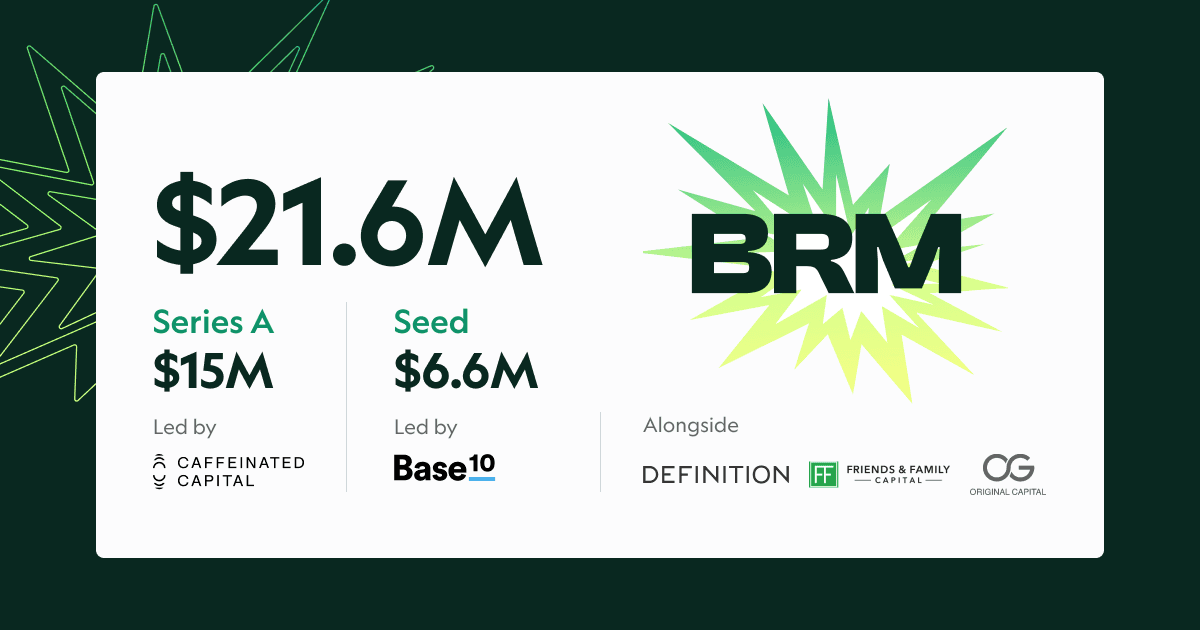
BRM Launches With $21.6M and AI SuperAgents to Help Companies Buy
Buying is broken, but BRM is here to fix it with $21.6M in funding and AI-powered SuperAgents that take on vendors for you, handling everything from contracts to compliance. While everyone else builds AI sales tools, BRM is tackling the painfully ignored buyer's side, already saving thousands of hours for companies like Tegus, Public, and Cadence.