Best Practices
From Manual Audits to Automated Vendor Tracking


Audits are nobody’s favorite part of vendor management. They’re time-consuming, repetitive, and often require a lot of back-and-forth to track down documents you thought someone else had.
In many fast-growing companies, vendor audits are still treated like one-off projects. Someone in Finance or Ops gets tasked with doing a quarterly check. They open the vendor spreadsheet (if it’s up to date), cross-reference spend, try to locate contracts, and email department leads to ask who owns what.
The result? A lot of guesswork. A lot of last-minute scrambling. And not a lot of confidence in what’s actually going on.
The Hidden Cost of Manual Vendor Audits
Let’s break this down. A manual vendor audit usually looks something like this:
- Rebuilding the spreadsheet that tracks vendors, contracts, and renewal dates
- Asking around to find out who owns each vendor
- Searching through Google Drive or inboxes to locate contracts
- Manually checking whether there’s a SOC 2 or DPA on file
- Trying to confirm if a renewal has already occurred or is still upcoming
Multiply that effort across dozens or even hundreds of vendors, and it’s no wonder these audits get delayed—or skipped entirely.
The cost? Renewals you didn’t mean to approve. Vendors you forgot you had. Tools that no one is using anymore, but still charging your card.
Why Traditional Vendor Audits Fail
It’s not that teams don’t care about vendor hygiene. It’s that the way most companies approach it is broken:
- The data lives everywhere: Contracts in someone’s inbox. Invoices in the ERP. Ownership in a Slack thread. There’s no single system of record.
- The spreadsheet doesn’t update itself: If someone forgets to log a new vendor or update a renewal date, the whole system falls apart.
- The process doesn’t scale: As your vendor count grows, so does the amount of manual effort required to keep track of it all.
That’s why quarterly audits feel like a grind. And why so many companies end up in reactive mode, discovering issues only after they’ve already cost money.
A Better Way: Passive Auditing with Live Vendor Tracking
What if audits weren’t a project, but a byproduct of how your systems already work?
That’s the promise of automated vendor tracking.
By connecting the tools you already use, email, ERP, Google Drive, Slack, and contract repositories, you can build a live inventory of every vendor in your stack. Then, layer on AI agents to maintain and monitor it without human input.
Here’s what that looks like:
- An AI agent scans your inbox for contracts and onboarding messages to detect new vendors.
- The system extracts key metadata: owner, department, renewal date, pricing, key terms.
- It matches the vendor to usage data (e.g., SSO activity, card spend, ERP line items).
- Compliance docs like SOC 2 reports or DPAs are pulled in automatically or flagged if missing.
- Renewal alerts are scheduled based on notice terms and routed to the right person.
The result is a continuously updated vendor system of record. No spreadsheets. No manual check-ins. Just live, accurate data.
What This Unlocks for Audits
Once your vendor records are being tracked in real-time, audits become less about discovery and more about validation.
Instead of:
- Spending 40 hours prepping a quarterly audit
- Emailing five people to find a contract
- Guessing whether a renewal happened
You can:
- Pull a live report showing all active vendors, contracts, and renewal timelines
- Instantly view which vendors are missing compliance documentation
- Surface usage and spend data to validate ROI
This reduces the audit burden across Finance, Ops, and Legal. And it drastically reduces the chance that something will fall through the cracks.
A Real-World Example
One BRM customer—a 200-person software company with no procurement team—used to run quarterly audits by manually reconciling a spreadsheet of vendors against corporate card charges.
The process took 3-4 weeks. They regularly discovered:
- Auto-renewed contracts they meant to cancel
- Vendors that no one claimed ownership of
- Compliance docs that had expired without being updated
After implementing BRM, the system began tracking vendors automatically. AI agents detected new vendors from emails and ERP charges, extracted contract data, and flagged missing documents.
Audits now take two days. Every vendor has a live owner, contract, and compliance trail. And they’ve canceled thousands in redundant or unused tools.
Beyond Audits: What Else Live Tracking Enables
Once your vendor data is live, accurate, and automated, you can do a lot more than pass audits:
- Proactive renewal planning: Know months in advance what’s coming up and who needs to make a decision.
- Usage-based decisions: Combine login and usage data with contract terms to negotiate renewals or cancel.
- Compliance readiness: Always know which vendors have the right certifications and which don’t.
- Ownership clarity: Easily assign and reassign owners as teams grow and change.
Why This Matters in 2026 (and Beyond)
Vendor stacks are growing. According to Productiv, the average mid-market company now uses over 200 SaaS tools. That number is only increasing.
At the same time, finance and ops teams are expected to do more with less. There’s no headcount for a procurement analyst to manually update vendor records. There’s no time for a quarterly audit project that takes a month to complete.
That’s why passive audits and live vendor tracking aren’t a nice-to-have. They’re the new baseline.
They give you:
- Control without extra work
- Compliance without chaos
- Visibility without spreadsheets
How BRM Powers It
BRM was built for exactly this challenge.
With BRM:
- You connect your email, ERP, and file storage in minutes
- The system begins detecting vendors, extracting contract terms, and assigning ownership
- AI agents monitor compliance, flag issues, and route renewals
- You get a real-time vendor system of record—automatically maintained
BRM gives lean teams the visibility and control they need without adding more tools or manual effort.
Final Thoughts: Stop Auditing. Start Tracking.
If your vendor audit process still involves spreadsheets, calendar reminders, and detective work, it’s time to move on.
Live vendor tracking changes the game. You don’t have to wait for quarterly audits to know what’s happening. You don’t have to hope someone remembered to update the spreadsheet.
With the right system, vendor visibility becomes automatic. And when that happens, audits become painless.
Not because they’re easier.
Because they’re already done.
More articles
Keep reading on procurement and strategy
Best Practices
AI Token Spend 101: A Finance Leader's Guide to Usage-Based AI Costs
A finance-first guide to managing AI token spend: what tokens cost, why usage-based pricing is unpredictable, and a 6-step framework to baseline and forecast.
News
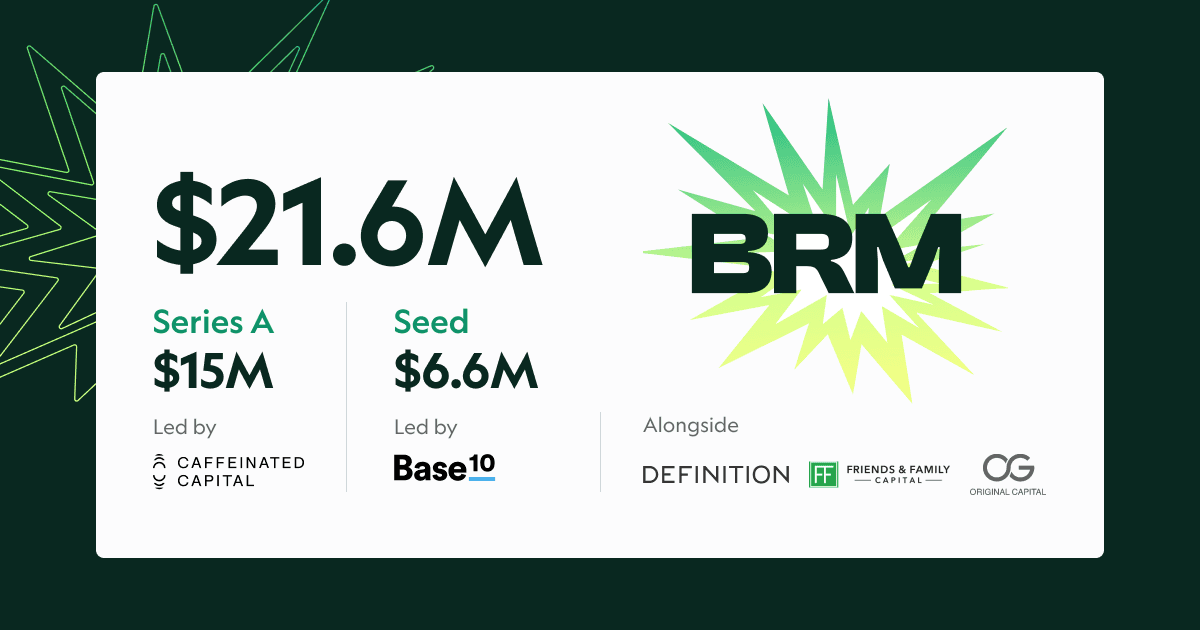
BRM Launches With $21.6M and AI SuperAgents to Help Companies Buy
Buying is broken, but BRM is here to fix it with $21.6M in funding and AI-powered SuperAgents that take on vendors for you, handling everything from contracts to compliance. While everyone else builds AI sales tools, BRM is tackling the painfully ignored buyer's side, already saving thousands of hours for companies like Tegus, Public, and Cadence.